The short answer
A utility shutoff notice gives you a deadline, and you have more options than it suggests. Call the utility first and ask for a payment plan or a deferred payment agreement, and ask about any hardship program. Apply for LIHEAP crisis assistance, which many states fast-track for households with a shutoff notice. The National Energy Assistance Referral hotline, 1-866-674-6327, can direct you to the right office, and 211 connects you to local charities and funds. Many states bar or limit shutoffs in winter or extreme heat, and many let a customer delay a shutoff with a medical certificate when someone in the home depends on power for health. The rules are set by your state's utility commission and differ by state. If you disagree with the bill, you can dispute it with the utility and, if that fails, file a complaint with the commission. Keep copies of every notice and call.
Read the notice, then call the same day
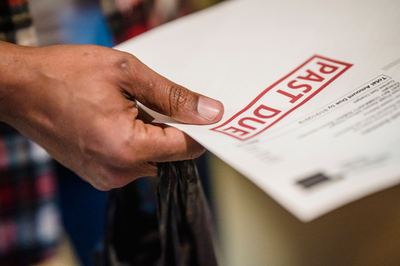
The notice states the amount owed, the date service will be shut off and how to contact the utility. Check two things before you do anything else: whether the date is firm, and whether the amount matches your bill. A billing error or a payment that was not credited is the easiest problem to fix, and it should be raised in writing as well as by phone.
Call the utility and ask what it offers. Most have a payment plan that spreads the past-due amount over several months along with your current bills, and some have a hardship fund. Say you are willing to pay something and ask what the minimum is. Ask the representative to put any agreement in writing or in an email before the deadline, because a verbal promise is hard to enforce.
What to say on the call
Keep the call short and specific. Give your account number, say you received a shutoff notice and that you want to keep service on, and ask three questions: what is the lowest payment that stops the shutoff, can the balance be spread over several months and does the company have a hardship or customer-funded assistance program. If someone in the home uses a medical device or needs heat for health reasons, say so at the start and ask for the medical certificate process. Ask the representative to repeat the agreement back to you and to send it in writing, and note the date and name.
Apply for energy assistance now
The Low Income Home Energy Assistance Program, LIHEAP, helps eligible households pay heating and cooling bills, and it has a crisis component for emergencies. Many states treat a shutoff or delinquency notice as a crisis, and they review crisis applications faster than regular ones. In some states the review can take as little as 48 hours, and service must be restored within a short window after approval.
Bring the notice, since some programs require it to verify the crisis, along with proof of income and a recent bill. If someone in your home depends on electricity for medical reasons, a doctor's statement can qualify the household for the fastest track in some states. Each state has its own application and rules. Our guide to help with energy bills explains who qualifies, and the energy assistance calculator estimates a benefit.
To find the right office, call the National Energy Assistance Referral hotline at 1-866-674-6327 on weekdays, or visit energyhelp.us. You will need your city, county and state. If you have run out of heating fuel such as oil or propane, which are not regulated like gas and electric service, ask the referral line about crisis fuel assistance.
Protections that may apply to you
Swipe sideways to see the whole table.
| Protection | What it usually means | How to use it |
|---|---|---|
| Notice period | The utility must give written notice and a waiting period before a shutoff | Check the date on the notice, and ask for an extension in writing |
| Winter or extreme heat limits | Shutoffs are restricted during cold or very hot weather in many states | Ask your utility commission whether a moratorium is in effect |
| Medical certificate | A doctor's note can delay a shutoff when someone depends on service for health | Ask the utility for its form and have a doctor complete it |
| Payment arrangement | The utility may be required to offer a plan, and not just accept lump sums | Ask for one before the shutoff date |
| Dispute process | You can contest a bill and, in some states, avoid a shutoff while it is reviewed | Put the dispute in writing and keep the response |
None of these is guaranteed everywhere. They come from state utility regulators, called public utility commissions or public service commissions, and they differ on dates, eligibility and paperwork. Find your commission's consumer line on its website, and ask it directly what applies to you.
If the bill itself looks wrong
A disputed bill can be a reason to delay, but only if you follow the process. Write to the utility, state what you dispute and ask for an investigation. Keep paying the undisputed portion if the rules require it. If the utility does not resolve the dispute, file a complaint with the state commission, which can review the case and in some states order the service to stay on. Keep the dates and names of every call.
Rent adds another layer. If your landlord pays the utility, or the bills are in the landlord's name, a shutoff for the landlord's unpaid bills may break the law in some places. Our guide to eviction help explains your rights as a tenant.
If you heat with oil, propane or wood
Delivered fuels are usually sold by private companies, not regulated utilities, so the shutoff rules above may not apply. Help exists, though. LIHEAP can pay for fuel as well as gas and electric service, and many states have a crisis benefit for households that are nearly out of fuel. Call the referral line, and ask the supplier whether it offers a payment plan, a price lock or a budget plan, since suppliers often take a partial payment rather than leave a customer without heat.
More places to look
Dial 211 and ask for utility help. Charities, churches and local funds often give one-time grants toward a past-due bill, and the operator can tell you which ones are open. Ask the utility whether it has a customer-funded assistance program, since many do, and about budget billing, which averages your bill across the year so winter bills do not arrive all at once.
A longer-term fix is to use less energy for the same comfort. Weatherization programs, which help eligible households insulate and seal their homes, can lower bills for years, and our guide to home repair loans and grants explains how to apply. If you are working through other bills at the same time, our job loss checklist and our guide to emergency food help cover two others that tend to come together.
A typical household with a shutoff notice and a $640 balance does three things in the first two days. It calls the utility to ask for a payment plan, gets the number of the local assistance office from the referral line and applies for crisis help with the notice and pay stubs. An assistance payment toward the bill often follows within days, and a payment plan covers the rest, so the service stays on.
Questions about shutoffs
Can the utility shut off service in winter?
In many states, no, or only after extra steps. Rules differ, so ask your state's utility commission whether a winter or extreme-heat limit applies to your utility and your household.
Does LIHEAP pay the whole bill?
Not always. It pays a set amount based on the state's rules, which may cover part of the past-due balance, so ask the utility to accept it and arrange a plan for the rest.
Does applying for LIHEAP stop the shutoff?
Not automatically. Some states and utilities hold off while a crisis application is pending, and others do not. Ask the utility in writing whether it will pause the shutoff while you wait for a decision.
Is there a deposit to restore service?
Many utilities charge a reconnection fee and may ask for a deposit. Ask what applies, and whether assistance or a payment plan can cover the fee.
What your state and utility decide
Shutoff rules are set by states and by each utility's approved tariff, and an assistance office decides each application. Funds can run out. This is general information and not legal advice, so call your utility commission or a legal aid office for your own case.
Official sources
Today
Find the shutoff date, call the utility and ask for a plan in writing, then call 1-866-674-6327 and apply for crisis help. Keep a folder of the notice, the bills and your notes, and check the status with the office within a few days.