The short answer
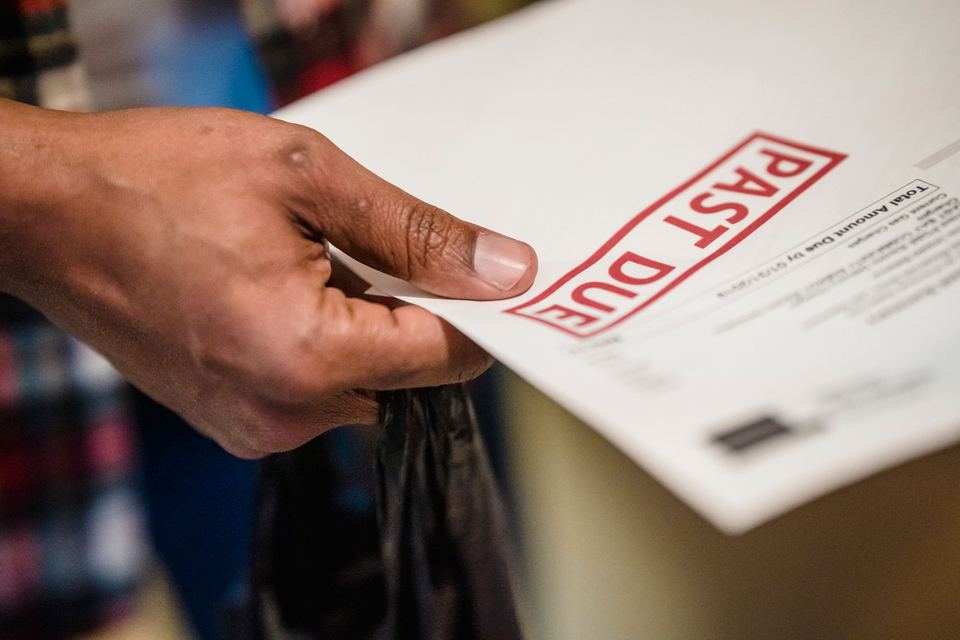
An eviction notice is frightening, but in most of the country a landlord cannot remove you without going through a court. The process generally starts with a written notice, then a court case, a hearing and a judgment; only after that can a sheriff or similar officer carry out the removal. Most states forbid landlords from changing the locks, removing belongings or cutting utilities to force a tenant out. What you do in the first days matters most: missing the deadline to answer court papers usually means losing automatically, while going to the hearing lets you raise defenses, ask for time or agree to a payment plan. Contact a legal aid office and a HUD-approved housing counselor, at 800-569-4287, as soon as you receive a notice, and call 211 for local emergency rental assistance. Tenants in public and other HUD-assisted housing have additional protections.
The deadlines, in order
State law sets each step, so the exact number of days differs from place to place. The order is much the same nearly everywhere:
Swipe sideways to see the whole table.
| Stage | When it usually comes | What to do before it passes |
|---|---|---|
| Written notice | The notice states its own deadline, often a few days to a month | Pay, fix the problem or get help; do not move out or sign anything yet |
| Court papers | Only if the landlord files a case; they set a date to answer or appear, sometimes only days away | Answer in writing if your court requires it, and mark the hearing date |
| Hearing | Often within a few weeks of filing | Go, with your documents; ask for time or a payment plan |
| Judgment | At or soon after the hearing | Ask about an appeal or more time; appeal deadlines are short |
| Removal | After a waiting period set by law or the court | Arrange your move and your belongings, or pay if the law still allows it |
Until the court process is complete, a landlord generally cannot change the locks, remove your belongings or shut off utilities to force you out. These self-help evictions are illegal in most states; if one happens, call the police and legal aid.
When the notice arrives
For unpaid rent the first paper is often a pay-or-quit notice, giving a few days to pay or leave; for other lease problems, a notice to fix the problem or leave; or a notice that the lease will not be renewed. Read it the day you receive it and write down its deadline.
If the problem is rent, find out exactly how much is owed, including any fees, and what you can pay. In some places, a landlord who accepts rent after a notice ends the case, while in others it does not, so ask legal aid before paying, and get a receipt showing the amount and date for anything you pay. If the notice is about something other than rent, such as noise or an extra occupant, fixing the problem within the notice period often ends the matter; do it in a way you can prove, and tell the landlord in writing.
In the first week: the calls to make
- Legal aid or a tenant help line. Many courts also have free help desks for tenants, and a growing number of cities and some states give tenants facing eviction a right to a free lawyer.
- A HUD-approved housing counselor, at 800-569-4287.
- 211, for emergency rental assistance and local funds.
Be wary of anyone who promises to stop an eviction for a fee. Legal aid, housing counselors and court help desks are free, and rental assistance programs never charge you to apply. Respond to the landlord in writing when you can, and keep copies.
The deadline you cannot miss: answering the court papers
If the landlord files a case, the court papers give a date by which you must respond, in writing or by appearing, depending on your court. Missing it usually means losing automatically, by a default judgment, even if you had a good defense or the money in hand. Answer even if you owe the rent and even if you plan to move: a judgment can follow you for years, because landlords check eviction records.
Bring these to legal aid, a counselor or court:
- The notice and any court papers, with the envelopes if they show dates.
- Your lease and any written changes to it.
- Rent receipts, money order stubs, bank records or payment app history.
- Texts, emails and letters with the landlord.
- Photos and dates of any repair problems, and copies of complaints you made.
- A short written timeline of what happened and when.
At the hearing: defenses and agreements
A lawyer or legal aid advocate can tell you which defenses apply where you live. Common ones are a notice that was not given correctly or did not allow enough time; retaliation because you complained about repairs or reported code violations; serious problems with the home that the landlord failed to fix; and discrimination based on race, disability, family status or another protected characteristic, explained in our guide to fair housing rights. Survivors of domestic violence in federally assisted housing have protections under the Violence Against Women Act.
Many cases settle at or before the hearing, with an agreement to pay back rent over time or to move out by a set date. Get any agreement in writing, ideally approved by the court, and keep to it, because breaking it can let the landlord move straight to removal.
Finding money before the hearing
The large federal emergency rental assistance programs of 2021 have largely ended, but many states, cities and charities still run rental assistance funds, often paying the landlord directly, and a landlord who knows payment is coming may agree to wait. Apply as soon as the notice arrives, not after the hearing. The 211 helpline and housing counselors know what is available locally.
If a drop in income caused the problem, apply for help that frees money for rent, such as unemployment benefits, SNAP and LIHEAP for energy bills.
If you live in subsidized housing
Owners of HUD-assisted properties may evict only through the courts under state and local law, and generally only for causes stated in the lease. Public housing tenants have similar protections and a grievance procedure for many disputes; our guide to public housing explains them. If you have a Section 8 voucher, losing the unit can put the voucher at risk, so contact your housing agency as well as legal aid.
A 2020 federal law, the CARES Act, requires landlords of certain federally backed rental properties to give 30 days' notice before requiring a tenant to leave for unpaid rent. Courts have disagreed about how far it still applies, so ask legal aid about your building.
After a judgment
You may still have options. Ask legal aid whether you can appeal, ask the court for more time to move, or pay what is owed before the removal date where the law allows it. Find out the date of the removal and what will happen to belongings left behind. Some states let tenants ask to seal an eviction record, especially if the case was dismissed or settled, which can help when you apply for your next home. If you have a housing voucher, tell your housing agency right away, because an eviction for a serious lease violation can end the voucher, and ask whether you can move with it instead.
Other questions tenants ask
Will an eviction stay on my record?
Eviction cases are often public court records that landlords check. Some states allow records to be sealed, particularly for dismissed or settled cases; ask legal aid.
Can I be evicted in winter?
Federal law has no seasonal ban. A few states and cities limit removals in extreme weather or during the coldest months, so ask legal aid what applies where you live.
What happens to my lease if my landlord's building is foreclosed?
Under a federal law, the Protecting Tenants at Foreclosure Act, a tenant with a genuine lease can usually stay until the lease ends, and every tenant must get at least 90 days' notice to leave. A new owner who will live in the unit can end the lease early, but still only with 90 days' notice.
Where state law decides
Eviction law is state and local law. Notice periods, court deadlines and tenant defenses differ widely, and this guide cannot say which apply to you. It is general information, not legal advice; if you have a court date, speak to a lawyer or legal aid office as soon as possible.
Official sources
Before the day is out
Write the deadline from your notice or court papers on a calendar, call legal aid and a housing counselor, and gather your lease, receipts and messages. If you need longer-term help with rent, read about Section 8 housing vouchers and estimate your housing assistance.