The short answer
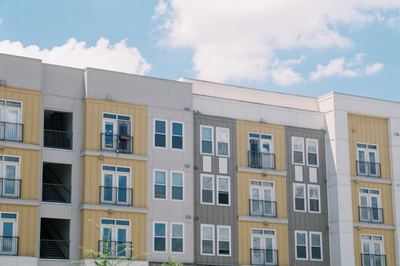
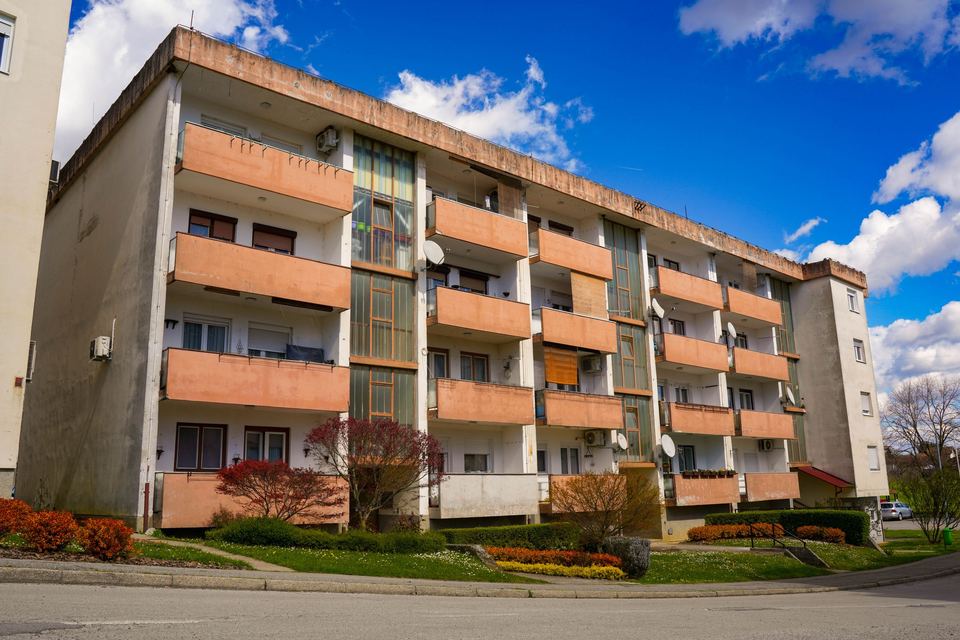
Public housing is rental housing owned and run by a local public housing agency for families with low incomes, older adults and people with disabilities. Unlike a Section 8 voucher, which you take to a private landlord, the agency is your landlord. You apply to the agency, not to HUD. Families with income up to 80 percent of the area median can be eligible, and at least 40 percent of new admissions each year must have extremely low incomes, generally 30 percent of the median or less. Rent is based on income: the highest of 30 percent of adjusted monthly income, 10 percent of gross monthly income, a welfare rent where it applies, or the agency's minimum rent of up to $50. Families can usually choose a flat rent instead. Most agencies keep waiting lists that open and close, and adult residents who are not working or exempt must do eight hours of community service a month.
Step 1: Find every list you could be on
You apply to a local public housing agency, not to HUD. Start by listing every agency that serves an area where you would be willing to live; HUD's online directory lists them, and its information line at (800) 955-2232 can help. Many agencies take applications only while their waiting list is open, sometimes for a few days, so sign up for notices where you can.
Apply widely. You can be on several agencies' lists at once, and on Section 8 voucher lists as well, since the programs keep separate lists; see our Section 8 guide. Many privately owned buildings also receive HUD assistance and set rent by income in a similar way. Each keeps its own list at the property office, and HUD's online resource locator shows them by area. Applying to several is the usual way to shorten the wait.
Public housing or a voucher?
Most families apply for both, and should. But the two programs suit different situations, and knowing the trade-offs helps you decide which offer to take if both arrive.
- Choice of home: a voucher lets you pick a private apartment anywhere a landlord will accept it; public housing places you in the agency's own buildings.
- Finding a landlord: with public housing there is no search and no landlord who might refuse a voucher; the unit comes with the offer.
- Moving: a voucher can usually move with you to another area; a public housing unit cannot.
- Rent: both set your share at about 30 percent of adjusted income, but public housing also offers a flat-rent option for households whose income rises.
- Obligations: public housing adds a community service rule for adults who are not working or exempt.
For an older adult who values stability and nearby services, a senior building run by the agency can be an excellent fit. For a family that needs to stay near a particular school or job, a voucher may be more practical.
Step 2: Check that you are eligible
The agency decides eligibility from your expected annual gross income, your household, and your citizenship or immigration status.
- Income: up to 80 percent of the area median income, with limits set for each area and household size.
- Targeting: at least 40 percent of the families admitted each year must have extremely low incomes, generally at or below 30 percent of the median or the poverty line if that is higher.
- Status: at least one member must be a citizen or have eligible immigration status; a mixed-status family pays a prorated rent.
- Assets: under a 2016 law put into effect since 2024, families with net assets above $105,574 in 2026, or who own a home they could live in, generally cannot be admitted.
- Screening: agencies check rental history and certain criminal activity under their own policies, within federal rules.
Agencies may give preference to groups such as working families, older adults, people with disabilities, veterans or people who are homeless, and some buildings are set aside for older adults or people with disabilities. Ask each agency which preferences it uses; one that fits you can move you up the list.
Step 3: Apply, and hold your place
The first application is usually short: the names and birth dates of household members, your current address, and your income, assets and family details. Then comes the part that decides more outcomes than eligibility does. Keeping your place is up to you. Agencies periodically send letters asking whether you are still interested, and an unanswered letter can remove you. Update your address and phone number with every agency whenever they change, and keep a list of each agency, the date you applied and how to check your status.
Step 4: When your name comes up
As your name nears the top, the agency confirms your eligibility. Expect to bring birth certificates and Social Security cards for household members, photo identification, proof of income and assets, and sometimes landlord references. If a unit is offered, you sign a lease, pay a security deposit of no more than one month's rent or a fixed amount the agency sets, and attend a briefing on the rules. Ask what happens if you turn down an offer, because agencies limit how many offers they make. If a disability means a particular unit will not work for you, such as one without an elevator, say so; a refusal for that reason is treated differently, and you can ask for an accessible unit as a reasonable accommodation.
Step 5: Understand how your rent is set
Rent in public housing is based on income, not on a market price. Your total tenant payment is the highest of 30 percent of your adjusted monthly income, 10 percent of your gross monthly income, a welfare rent in the few states where part of a cash grant is designated for housing, or the agency's minimum rent of $0 to $50. Adjusted income is gross income less allowances: in 2026, $500 a year for each dependent, $550 once per family if the head, spouse or co-head is 62 or older or has a disability, an older or disabled family's out-of-pocket medical costs above 10 percent of income, and reasonable child care costs that let someone work or study. If you pay your own utilities, the agency subtracts a utility allowance from the rent you pay.
A hypothetical example: an older tenant on Social Security
Ruth is 74 and receives $14,400 a year from Social Security. She gets the $550 allowance; her medical costs of $1,000 are below 10 percent of her income, so they do not reduce it further. Her adjusted income is $13,850, about $1,154 a month, and her rent is 30 percent of that: about $346, less a utility allowance if she pays her own electricity.
Each year the agency must also offer a flat rent, set at no less than 80 percent of the area's fair market rent for the unit. It helps households whose income has grown: a parent of two earning $36,000, whose income-based rent would be about $875, might choose an $800 flat rent instead, and can switch back to income-based rent after a hardship. Estimate your rent share for your household's income.
Step 6: Living there, and keeping the unit
Your income and household are reviewed at least once a year, units are inspected regularly, and you must report changes as the lease requires; unreported income can lead to back rent or eviction.
- Community service: each adult who is not exempt must do eight hours a month of community service or self-sufficiency activity. People 62 and older, people with disabilities, those working and several other groups are exempt; check whether you are.
- Smoke-free rules: smoking is banned inside units and near buildings.
- Pets: common household pets are allowed under the agency's rules, and assistance animals as a reasonable accommodation.
Tenants have rights too: decent, safe and sanitary housing, timely repairs, a grievance procedure for disputes, and protection from eviction except for causes stated in the lease. If you receive an eviction notice, read what to do first when facing eviction; for discrimination, see fair housing rights.
If your household or income changes
Unlike a voucher, a public housing unit does not move with you. You can ask for a transfer to another of your agency's units when your household grows or shrinks, for a medical need or disability, or in an emergency such as domestic violence, for which agencies must have an emergency transfer plan. To move to another city, you apply to that area's agency and join its list.
If your income rises a lot, there is an upper limit on staying. If it stays above 120 percent of the area median for two years in a row, the agency must either charge a higher alternative rent or end your tenancy, depending on its policy, a rule meant to free units for families on the waiting list.
Common questions
Do I apply to HUD for public housing?
No. You apply to a local public housing agency. HUD funds and oversees the program but does not take applications.
How long is the wait for public housing?
It varies by area and by agency. Many lists are long or open only occasionally, so apply to several agencies and keep your contact information up to date.
Do I need a job to live in public housing?
No. Rent is based on income, including no income. Adults who are not working and not exempt, for example because of age or disability, must do eight hours a month of community service or self-sufficiency activity.
What is the difference between public housing and Section 8?
In public housing the agency owns the unit and is your landlord. With a Section 8 voucher you rent from a private landlord and the agency pays part of the rent. They have separate waiting lists.
Agency by agency
Each housing agency sets its own admission policies, preferences, minimum rent, flat rents and waiting list rules within federal limits, so what applies to you depends on the agency. Our calculator estimates a rent share; it cannot tell you whether a unit is available.
Official sources
Where to start
Make a list of every housing agency and assisted building within reach, find out which lists are open, and apply to all of them, along with the Section 8 lists. Keep a record of each application and update your contact details with every agency when they change.