The short answer
The USDA Section 504 Home Repair program helps very-low-income homeowners in eligible rural areas fix, improve or make their homes safe. It lends up to $40,000 at a fixed 1 percent interest rate for up to 20 years, and it gives grants of up to $10,000 over a lifetime to homeowners 62 and older who cannot repay a loan. Loans and grants can be combined for up to $50,000. You must own and live in the home, have a household income at or below the very low limit for your county, generally 50 percent of the area median, and be unable to get affordable credit elsewhere. Grants must be used to remove health and safety hazards or to make the home accessible, and must be repaid if you sell within three years. Apply through your local USDA Rural Development office, and ask about weatherization and local repair programs too.
What Section 504 is for
Section 504 is a program of USDA Rural Development for homeowners who cannot afford essential repairs: a leaking roof, a failing furnace or septic system, unsafe wiring, or a missing ramp or accessible bathroom. It has two parts. The loan can pay for general repairs that improve or modernize the home. The grant, for older homeowners, is limited to removing health and safety hazards and to making the home accessible for a household member with a disability.
The program serves homeowners in eligible rural areas, which USDA defines on its eligibility map. Many small towns qualify, but many suburban and city addresses do not, so check your address before you do anything else.
Loan and grant terms
- Loan: up to $40,000 in total Section 504 loans, at a fixed 1 percent interest rate, repaid over up to 20 years.
- Grant: up to $10,000 over the household's lifetime, for homeowners 62 or older who cannot repay a loan.
- Combined: a loan and grant together can reach $50,000, or $55,000 in presidentially declared disaster areas.
- Title: full title service is required when the total Section 504 loan balance is more than $25,000.
- Grant repayment: a grant must be repaid if the home is sold in less than three years.
An applicant who is 62 or older and can afford some monthly payment may be offered a mix of loan and grant. The office decides how much you can repay from your income and expenses.
Example (hypothetical): a roof and a ramp
June, 71, lives alone on Social Security in a rural county and needs a new roof and a wheelchair ramp, estimated at $18,000 together. Her income is below her county's very low limit, and she cannot get a bank loan. Rural Development offers a $10,000 grant for the ramp and part of the roof, which are safety and accessibility repairs, and an $8,000 loan for the rest. At 1 percent over 20 years, the loan costs her about $37 a month.
What the money can pay for
Loan money can be used for repairs and improvements that keep the home decent, safe and sanitary, as long as the home stays modest for the area. Common examples are:
- Replacing a roof, windows or doors, or repairing the foundation.
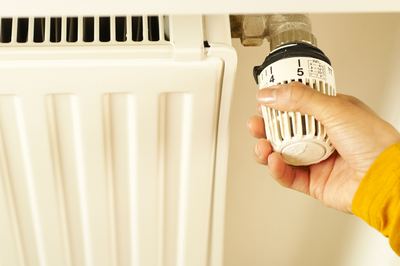
- Repairing or replacing a heating system, water heater, plumbing or wiring.
- Connecting to public water or sewer, or fixing a well or septic system.
- Making the home more energy efficient.
Grant money is narrower. It can pay to remove a health or safety hazard, such as dangerous wiring, a failed heating system in a cold climate, a collapsing porch or contaminated water, and to make the home accessible, with ramps, grab bars, wider doorways or an accessible bathroom. Cosmetic work, additions and luxury items are not covered by either part.
Who is eligible
- You own the home and live in it. It cannot be rented out or used for a business, and the money cannot build a new home.
- The home is in an eligible rural area.
- Your household income is at or below the very low limit for your county and household size, generally 50 percent of the area median income.
- You cannot get affordable credit elsewhere.
- For a grant, at least one applicant is 62 or older and cannot repay a loan.
Income counts every adult in the household. Rural Development publishes the limits for each county, and they change each year.
How to apply
Contact your state or local USDA Rural Development office. You can start with the optional intake form, which helps the office tell you whether you may qualify before you complete a full application. Then gather:
- Proof that you own the home, such as a deed, and that you live in it.
- Income documents for everyone in the household, such as benefit letters, pay stubs and tax returns.
- Proof of age if you are asking for a grant.
- One or more written repair estimates from contractors.
Funding is limited and waiting times differ by state, so ask the office how long approvals are taking. Work generally has to be approved before it starts; do not hire a contractor or begin repairs expecting to be reimbursed later. Once you are approved, the office may inspect the home and the finished work before contractors are paid.
Other help with home repairs
If you do not qualify for Section 504, or need more than it pays, other programs may help:
- The Weatherization Assistance Program, funded by the Department of Energy and run by local agencies, makes free energy-efficiency repairs such as insulation, sealing and furnace work for low-income households. Households receiving SSI or TANF generally qualify.
- LIHEAP, the federal energy assistance program, can help repair or replace a broken heating or cooling system in some states. See our LIHEAP guide.
- USDA Housing Preservation Grants are given to local nonprofits and public agencies, which use them to repair homes for low- and very-low-income rural residents.
- Cities and counties often run repair or accessibility programs funded by federal housing grants; ask your local housing or community development office.
- Medicaid home and community-based services programs in some states pay for accessibility changes that let a person stay at home.
- Buyers who need to repair a home they are purchasing can look at an FHA rehabilitation loan; see our guide to FHA loans.
Protecting yourself and your home
Home repair is a common target for fraud, especially after storms. Get written estimates from more than one contractor, check that each is licensed where your state requires it, never pay the full cost up front, and do not sign over insurance checks or a deed. A contractor who claims a government program will pay, if only you sign today, is a warning sign; see our guide to benefit scams.
Common mistakes
- Applying before checking whether the address is in an eligible rural area.
- Starting repairs before the loan or grant is approved.
- Expecting a grant to cover cosmetic work; grants are only for safety and accessibility.
- Overlooking weatherization and local programs that can be combined with Section 504.
Renters cannot use Section 504. If repairs in a rental are unsafe, the landlord is generally responsible; our guides to public housing and Section 8 vouchers explain how to ask for repairs in assisted housing.
Common questions
How much can I borrow through USDA Section 504?
Up to $40,000 as a loan at 1 percent interest for up to 20 years. Homeowners 62 and older can also receive grants of up to $10,000 over a lifetime, with a combined cap of $50,000.
Who can get a Section 504 repair grant?
Very-low-income homeowners aged 62 or older in eligible rural areas who cannot repay a loan, for repairs that remove health and safety hazards or improve accessibility.
Do I have to repay a Section 504 grant?
Only if you sell the home in less than three years, in which case the grant must be repaid.
Does Social Security count as income for Section 504?
Yes. Household income includes Social Security, SSI, pensions, wages and other regular income of every adult in the home, compared with the very low limit for your county.
What if I live in a city?
Section 504 serves only eligible rural areas. City and county repair programs, weatherization and LIHEAP may help instead.
What this does not tell you
Terms, funding and waiting times differ by state office and may change. Confirm current amounts and income limits with USDA Rural Development.
A separate disaster repair program has different limits and deadlines. This article covers the standard program.
Official sources
What you can do next
Check your address on USDA's eligibility map, gather ownership and income documents and repair estimates, and contact your Rural Development office about the intake form. If heating bills are part of the problem, estimate your LIHEAP help too.