The short answer
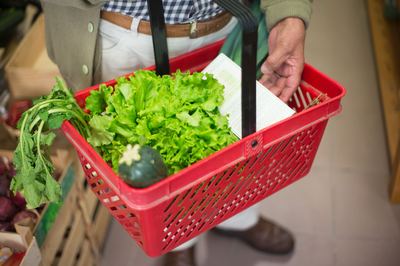
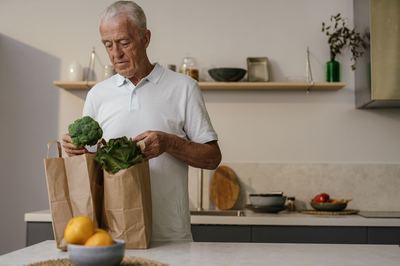
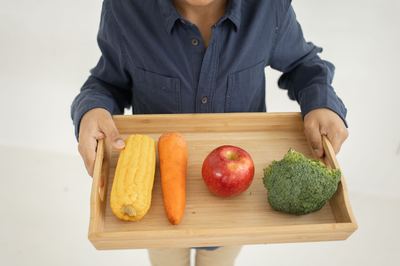
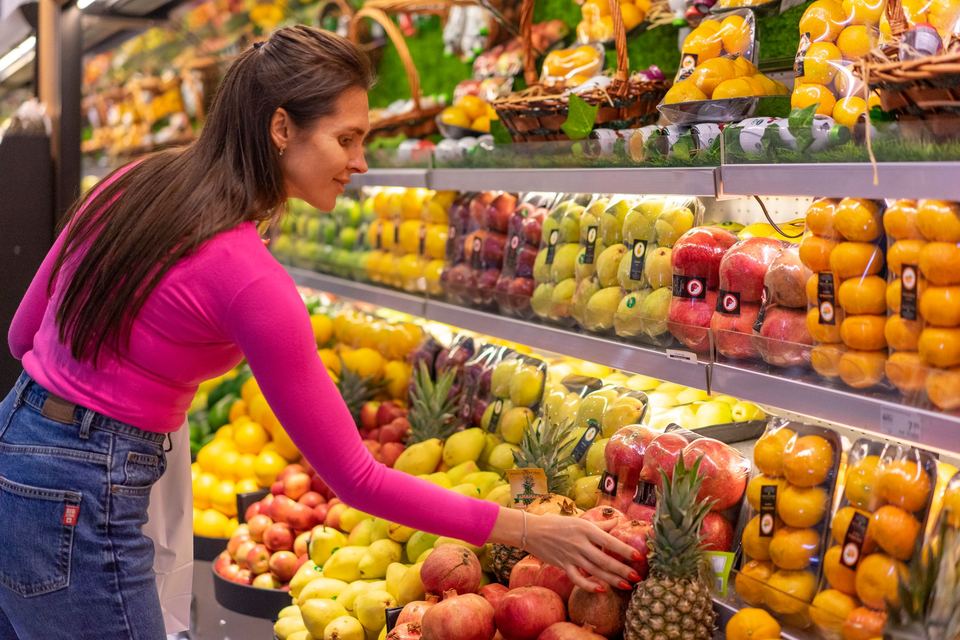
SNAP benefits can buy almost any food for the household to eat at home: fruits and vegetables, meat, poultry and fish, dairy products, breads and cereals, snack foods, non-alcoholic drinks, and seeds and plants that grow food. They cannot buy alcohol, tobacco, vitamins and supplements, medicines, hot foods ready to eat, live animals, pet food, or household items such as cleaning supplies, paper goods and toiletries. The food does not have to be healthy to be eligible, but a number of states now restrict SNAP purchases of soda, candy and similar items under waivers approved by USDA; in June 2026 a federal court set aside five of those waivers, and USDA has appealed. Food that is hot at the register does not qualify, except in states that run the Restaurant Meals Program for people who are elderly, disabled or homeless. Most large retailers accept SNAP online, though delivery fees and tips cannot be paid with it.
What is the rule behind the list?
SNAP pays for food for the household to prepare and eat at home. Almost every answer follows from that phrase. Groceries qualify whether or not they are healthy, because federal law defines eligible food broadly. Food that is hot when you pay does not, because it is a prepared meal. Things that are not food, from dish soap to dog food, never qualify, even in a grocery store. There is no list of approved brands and no federal limit on price: steak, seafood and name brands qualify as fully as store brands.
The package label settles many close calls. A product with a Nutrition Facts label is treated as food. One with a Supplement Facts label is treated as a supplement, and supplements are not eligible. Stores code their registers by these rules, so the checkout usually makes the decision for you.
What can you buy?
- Fruits and vegetables, fresh, frozen or canned.
- Meat, poultry and fish.
- Milk, cheese, yogurt and other dairy products.
- Breads, cereals, rice and pasta.
- Snack foods, desserts and non-alcoholic beverages, including bottled water, coffee and tea.
- Seeds and plants that produce food for the household to eat.
Food that is cold or not heated at the point of sale is eligible, including a sandwich from a deli case or a frozen pizza.
What can't you buy?
- Beer, wine, liquor, cigarettes and tobacco, and products containing cannabis or CBD.
- Vitamins, medicines and supplements.
- Food that is hot at the point of sale.
- Live animals, except shellfish, fish removed from the water and animals slaughtered before pick-up.
- Non-food items: pet food, cleaning supplies, paper products, hygiene items, cosmetics and household supplies.
- Restaurant meals, unless your state runs the Restaurant Meals Program described below.
If a basket mixes eligible and ineligible items, the register splits the purchase: SNAP pays for the eligible food and you pay for the rest another way.
What about the items in between?
A handful of products cause most of the confusion at the register. Applying the two tests, food for home and the label, sorts them out:
Swipe sideways to see the whole table.
| Item | Can SNAP pay? | Why |
|---|---|---|
| Rotisserie chicken | Cold, yes; hot, no | Hot food at the register is a prepared meal |
| Energy drinks and protein shakes | With a Nutrition Facts label, yes | A Supplement Facts label makes it a supplement |
| Birthday cake or gift basket | Yes, if most of the value is food | Non-food decorations or items must be the smaller part |
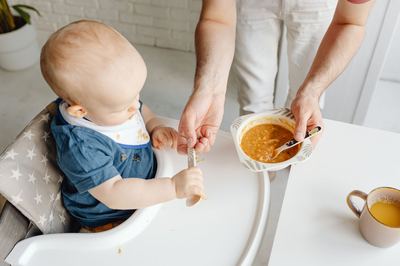
| Baby formula and baby food | Yes | Food for the household |
| Diapers and wipes | No | Not food |
| Bagged ice and bottled water | Yes | Treated as food |
| Live lobster or crabs | Yes | Shellfish are an exception to the live-animal rule |
| Gift cards, even at a grocery store | No | Not food |
Your state may restrict some items on this list, such as energy drinks, as the next section explains.
Does your state limit soda and candy?
It may. Since 2025, USDA has approved waivers that let more than 20 states run pilot projects restricting SNAP purchases of soda, candy and, in some states, energy drinks and similar items, most of them starting in 2026. Each state writes its own definitions and start date, so a drink allowed in one state can be declined in the next.
The rules are now being tested in court. In June 2026 a federal court in Washington, D.C., set aside the waivers for Colorado, Iowa, Nebraska, Tennessee and West Virginia, finding that USDA lacked the authority to approve them. USDA has appealed, and some states have delayed their own start dates while the case continues. Restrictions in states the ruling did not cover remain in effect unless they are withdrawn or changed.
Because this is changing, rely on your state SNAP agency's website and notices for what is restricted where you live and from when. If the register declines an item you think is allowed, ask the store to check, and keep the receipt.
Can you use SNAP for hot meals or restaurants?
Generally not. But states can choose to run the Restaurant Meals Program, which lets SNAP households in which everyone is elderly, has a disability or is homeless buy prepared meals at participating restaurants. It exists because some people cannot store or cook food. Ask your state agency whether it takes part and which restaurants are included.
During some disasters, such as hurricanes or widespread power outages, USDA also allows hot food purchases temporarily in affected areas. Your state will announce when that applies and for how long.
Can you shop online or at a farmers market?
Yes. Many grocery retailers accept SNAP for online orders in every state: choose SNAP EBT as the payment method for eligible items at checkout. Delivery fees, service fees and tips cannot be paid with SNAP, so you need another way to pay those. Many retailers also take SNAP for curbside pickup, and USDA's SNAP retailer locator lists stores near you that accept EBT.
Many farmers markets and farm stands accept SNAP, and some run incentive programs that add extra dollars when you buy fruits and vegetables, sometimes matching each dollar you spend. Look for signs at the market or ask your state agency which markets near you take part.
How do you protect the balance on your card?
Card skimming, in which thieves copy EBT cards at the register and drain the account, has hit SNAP households across the country, and federal funding to replace stolen SNAP benefits ended in December 2024. So prevention matters:
- Change your PIN often and never share it.
- Check your balance through your state's app or phone line, and lock the card between purchases if your state offers it.
- Report a lost or stolen card to your state right away.
- Never give your card number or PIN in response to a call or text; your state will not ask for it that way.
If benefits are stolen, report it to your state anyway and ask for a new card and PIN; the report creates a record if the theft continues. Some states are moving to chip-enabled EBT cards, which are harder to copy. Selling SNAP benefits or trading them for cash is against the law and can lead to disqualification. Unused benefits carry over from month to month, but benefits left untouched for many months can be removed from the card.
What if the benefit runs out before the month does?
Store brands, staples in larger packages, frozen fruits and vegetables, and meals planned around sales all stretch SNAP dollars. Many states run SNAP-Ed, free nutrition and cooking classes, often through local extension offices. Families with young children can add WIC, which provides specific foods on top of SNAP, and school-age children may get free school meals and Summer EBT. Food banks and pantries can fill the gap at the end of the month; the 211 helpline can find one near you.
If your circumstances have changed, your benefit may be too low. Our guide to SNAP explains how the amount is figured, and the SNAP calculator estimates it from your current income and costs.
What the register decides
Eligibility is applied at the register by the store's system, so a few products can be confusing; when in doubt, ask the store before checkout. State restrictions and the court case over them are changing, and your state SNAP agency has the current list. This guide cannot say what applies where you live.
Official sources
At the register
Keep your state's list of restricted items handy if it has one, check your balance before you shop, and separate non-food items at checkout so the split is quick. If you have not applied yet, estimate your SNAP benefit first.