The short answer
SNAP benefits can buy almost any food for the household to eat at home: fruits and vegetables, meat, poultry and fish, dairy products, breads and cereals, snack foods, non-alcoholic drinks, and seeds and plants that grow food. They cannot buy alcohol, tobacco, vitamins and supplements, medicines, hot foods ready to eat, live animals, pet food, or household items such as cleaning supplies, paper goods and toiletries. The food does not have to be healthy to be eligible, but beginning in 2026 a growing number of states, under waivers approved by USDA, restrict SNAP purchases of soda, candy and similar items. Food that is hot at the register does not qualify, except in states that run the Restaurant Meals Program for people who are elderly, disabled or homeless. Most large retailers accept SNAP online, though delivery fees and tips cannot be paid with it, and many farmers markets accept it and add extra value for fruits and vegetables.
Why this matters
Knowing what SNAP covers saves time and embarrassment at the register, and it helps a monthly benefit go further. The rules are mostly simple, but a few products confuse people, such as rotisserie chicken, energy drinks and gift baskets, and state restrictions that began in 2026 mean the answer can now depend on where you shop. This guide sets out what you can and cannot buy, how hot food, online orders and farmers markets work, and how to protect your benefits. For how much SNAP pays and who qualifies, see our guide to SNAP.
What can you buy with SNAP?
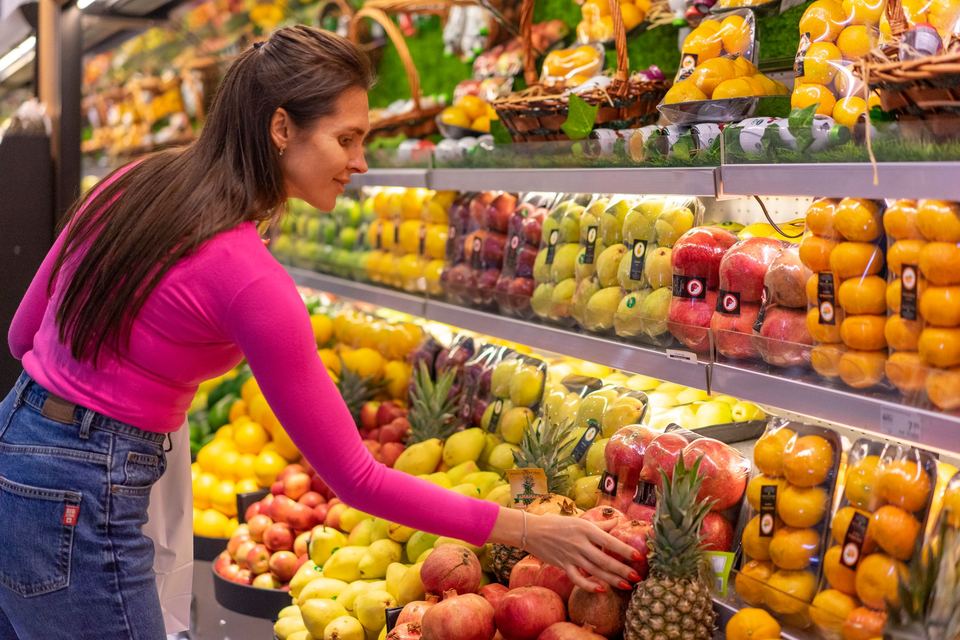
You can use SNAP for any food for the household to eat, including:
- Fruits and vegetables, fresh, frozen or canned.
- Meat, poultry and fish.
- Milk, cheese, yogurt and other dairy products.
- Breads, cereals, rice and pasta.
- Snack foods, desserts and non-alcoholic beverages, including bottled water.
- Seeds and plants that produce food for the household to eat.
Food that is cold or not heated at the point of sale is eligible, including a sandwich from a deli case. Birthday cakes and gift baskets qualify when most of their value is food, and energy drinks qualify when they carry a Nutrition Facts label rather than a Supplement Facts label.
What can you not buy with SNAP?
- Beer, wine, liquor, cigarettes and tobacco, and products containing cannabis or CBD.
- Vitamins, medicines and supplements; any item with a Supplement Facts label is treated as a supplement.
- Food that is hot at the point of sale.
- Live animals, except shellfish, fish removed from the water and animals slaughtered before pick-up.
- Non-food items: pet food, cleaning supplies, paper products, hygiene items, cosmetics and household supplies.
- Restaurant meals, unless your state runs the Restaurant Meals Program described below.
If a basket mixes eligible and ineligible items, the register splits the purchase: SNAP pays for the eligible food and you pay the rest another way.
Items people often ask about
- Baby formula and baby food: eligible. Diapers and wipes: not eligible.
- Coffee, tea, spices, cooking oil and condiments: eligible.
- Bagged ice and bottled water: eligible.
- Protein shakes and powders: eligible with a Nutrition Facts label, not with a Supplement Facts label.
- Gift cards and prepaid cards: not eligible, even at a grocery store.
- Paper plates, napkins and aluminum foil: not eligible, because they are not food.
State restrictions on soda and candy
Beginning in 2026, USDA has approved waivers that let a growing number of states restrict SNAP purchases of soda, candy and similar items such as energy drinks. Each state defines its own list and start date, and the register will decline a restricted item even though it is food.
If you live in a state with a restriction, your state agency's notices and website list what is covered and when it began. Retailers update their systems, but if an item is declined that you think is allowed, ask the store or check the state's list. Federal rules on everything else in this guide have not changed.
What about hot food and restaurants?
Foods that are hot at the point of sale are not eligible: a rotisserie chicken sold hot cannot be bought with SNAP, while the same chicken sold cold, to reheat at home, can.
States can choose to run the Restaurant Meals Program, which lets SNAP households in which everyone is elderly, has a disability or is homeless buy prepared meals at participating restaurants. Ask your state agency whether it takes part and which restaurants are included. During some disasters, USDA also allows hot food purchases temporarily in affected areas.
Using SNAP online and at farmers markets
Many grocery retailers accept SNAP for online orders in every state. You choose SNAP EBT as the payment method for eligible items at checkout. Delivery fees, service fees and tips cannot be paid with SNAP, so you need another way to pay those. Many also accept SNAP for curbside pickup orders, and USDA's SNAP retailer locator lists the stores near you that take EBT.
Many farmers markets and farm stands accept SNAP, and some run incentive programs that add extra dollars when you buy fruits and vegetables with SNAP, sometimes matching each dollar you spend. Look for signs at the market or ask your state agency which markets near you take part.
Example (hypothetical): one shopping trip
At the checkout Luis has milk, bread, chicken, apples, a bag of chips, a cold deli sandwich, a hot slice of pizza, laundry detergent and a bottle of vitamins. SNAP pays for the milk, bread, chicken, apples, chips and cold sandwich. He pays for the hot pizza, the detergent and the vitamins with cash.
Making your benefit go further
A few habits stretch SNAP dollars: store brands, buying staples in larger packages, frozen fruits and vegetables, and planning meals around what is on sale. Many states run SNAP-Ed, free nutrition and cooking classes for SNAP households, often through local extension offices. In summer, families in participating states can also get Summer EBT for school-age children, explained in our guide to free school meals.
If your benefit runs out before the month ends, food banks and pantries can fill the gap, and the 211 helpline can find one near you.
Protecting your benefits
Card skimming, in which thieves copy EBT cards at the register and drain the account, has hit SNAP households across the country. Federal funding to replace stolen SNAP benefits ended in December 2024, so prevention matters. Change your PIN often, never share it, check your balance through your state's app or phone line, and use any option your state offers to lock the card between purchases. Some states are moving to chip-enabled EBT cards, which are harder to copy. Report a lost or stolen card to your state right away. Never give your card number or PIN in response to a call or text; your state will not ask for it that way.
Selling SNAP benefits or trading them for cash is against the law and can lead to disqualification. Unused benefits carry over from month to month, but benefits left untouched for many months can be removed from the card.
Common mistakes
- Assuming hot deli food is covered because the store sells groceries.
- Trying to pay delivery fees or tips with SNAP.
- Buying a supplement-labeled drink that the register will decline.
- Not checking your state's restricted-item list after it changes.
Common questions
Can I buy hot food with SNAP?
Generally no. Foods that are hot at the point of sale are not eligible, except in states that run the Restaurant Meals Program for people who are elderly, disabled or homeless.
Can SNAP buy vitamins or supplements?
No. Vitamins, medicines and supplements are not eligible, and any item with a Supplement Facts label is treated as a supplement.
Can I use SNAP to buy seeds for a garden?
Yes. Seeds and plants that produce food for the household to eat are eligible.
Can I buy energy drinks with SNAP?
Usually, if the can has a Nutrition Facts label, unless your state restricts them. Drinks labeled with Supplement Facts are treated as supplements and are not eligible.
Can I use SNAP for grocery delivery?
Yes, at retailers that accept SNAP online. The food can be paid with SNAP, but delivery fees, service fees and tips cannot.
What this does not tell you
Eligibility is applied at the register by the store's system, so a few products can be confusing. When in doubt, ask the store before checkout.
State restrictions are changing. Your state SNAP agency has the current list, and this guide cannot say what applies where you live.
Official sources
What you can do next
Keep your state's list of restricted items if it has one, check your balance before shopping, and estimate your SNAP benefit if you have not applied. Families with young children can add WIC, which provides specific healthy foods on top of SNAP.